독립 웹사이트로 판테온와 관련이 없습니다.
운영 시간휴관
|금요일, 10월 23, 2026Piazza della Rotonda, 00186 로마, 이탈리아
돌아가기: architecture
comparison
Pantheon vs Roman Temples – Design, Materials, Spatial Innovation
Compare Pantheon with typical Roman temples & Maison Carrée: spatial innovation, materials, imperial ideology, and experiential differences.
11/7/2025
12 min read
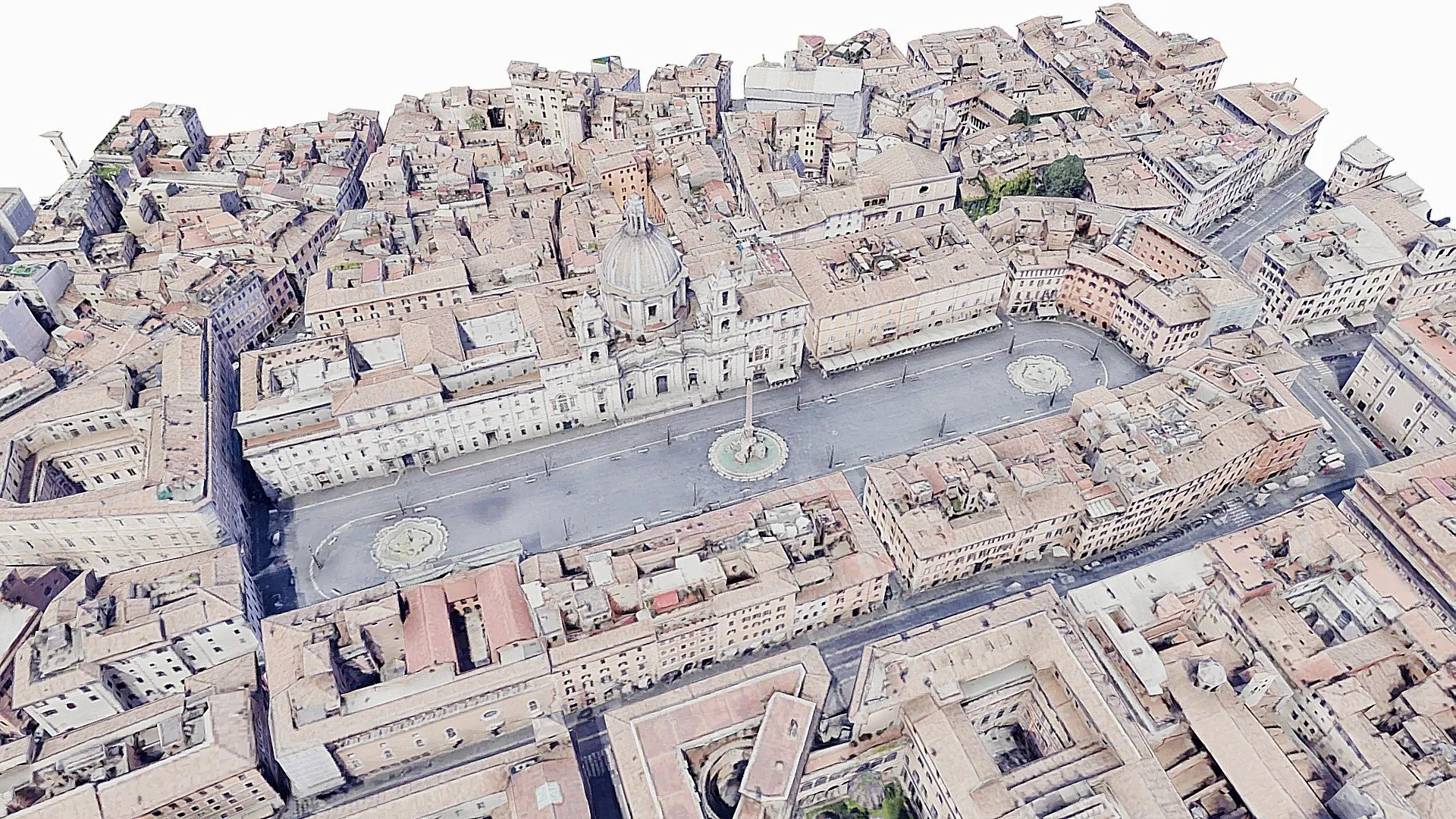
Pantheon diverges from conventional longitudinal Roman temple design by embracing centralized volumetric space.
1. Standard Temple Traits
- Rectangular cella, deep porch, raised podium, axial procession.
- Emphasis on frontality—religious drama at facade.
2. Pantheon Innovations
- Centralized rotunda fosters enveloping experience; visitor stands within cosmological sphere.
- Dome + oculus = dynamic light apparatus vs static clerestory.
3. Material Leap
- Large-scale concrete deployment vs stone/wood roofing of many earlier temples.
- Coffered dome interior articulates verticality without heavy truss.
4. Comparative Table
| Feature | Typical Podium Temple | Pantheon |
|---|---|---|
| Spatial Form | Longitudinal | Centralized spherical |
| Roof | Timber truss / gabled | Concrete dome |
| Light Source | Doorway + limited windows | Oculus + diffuse ambient |
| Symbolic Focus | Facade & altar | Entire volume as cosmic metaphor |
5. Experiential Shift
- Movement: From front-to-altar linear path → immersive circular scanning.
- Acoustics: Dome reverberation vs contained rectangular dampening.
6. Ideological Reading
- Imperial power manifest as universal cosmic order—Hadrian’s architectural statement of Rome’s global scope.
Bottom Line
Pantheon marks a paradigm shift: architecture becomes a total spatial environment, not just a stage for ritual frontality.
저자 소개

Archaeology Writer
이 가이드는 판테온을 편안히 즐길 수 있도록—명확한 티켓 안내, 인사이더 팁, 놓치지 말아야 할 하이라이트를 담았습니다.
Tags
Roman temples
Pantheon comparison
Maison Carree
imperial cult
design evolution
Comments (0)
Leave a Comment
Loading comments...